




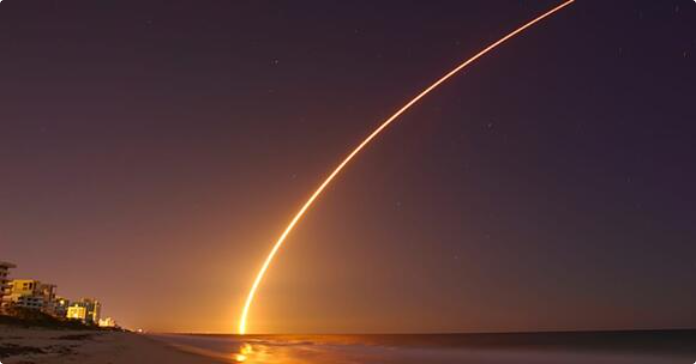
The Space Race, that high-tech Cold War competition to see which global superpower could conquer the cosmos first, was such a frantic and aggressive era of rocket-powered experimentation that it’s often remarkable to consider how low the death toll was during that time.
We know, of course, that the United States was prepared for some interstellar fatalities; President Richard Nixon had an alternate speech prepared in the event that the Apollo 11 mission went catastrophically wrong. But officially, only a handful of lives were lost during the Space Race. The most famous of the rare space-related fatalities from this time occurred during pre-launch tests, like the altitude chamber fire that killed would-be cosmonaut Valentin Bondarenko (the first official Space Race fatality) and the 1967 electrical fire that claimed the lives of the Apollo 1 crew in the United States.
In fact, remarkably, only a single life from each side of the Cold War was lost post-launch during that fraught period, and both of them were below the “von Kármán line” often used to define the edge of space: Soviet Vladimir Komarov aboard Soyuz 1 in April of 1967, and American Michael J. Adams during November 1967’s X-15 Flight 191.
Read more – Popular Mechanics: https://bit.ly/3PzPMZM


More Stories
Radio Asheville launches an emergency alert network built to survive a total blackout, like occurred with Hurricane Helene (North Carolina)
Via the RSGB: WRTC 2026 results have been rescored
Via the RSGB: GB2RS News Script for 6 September 2026