



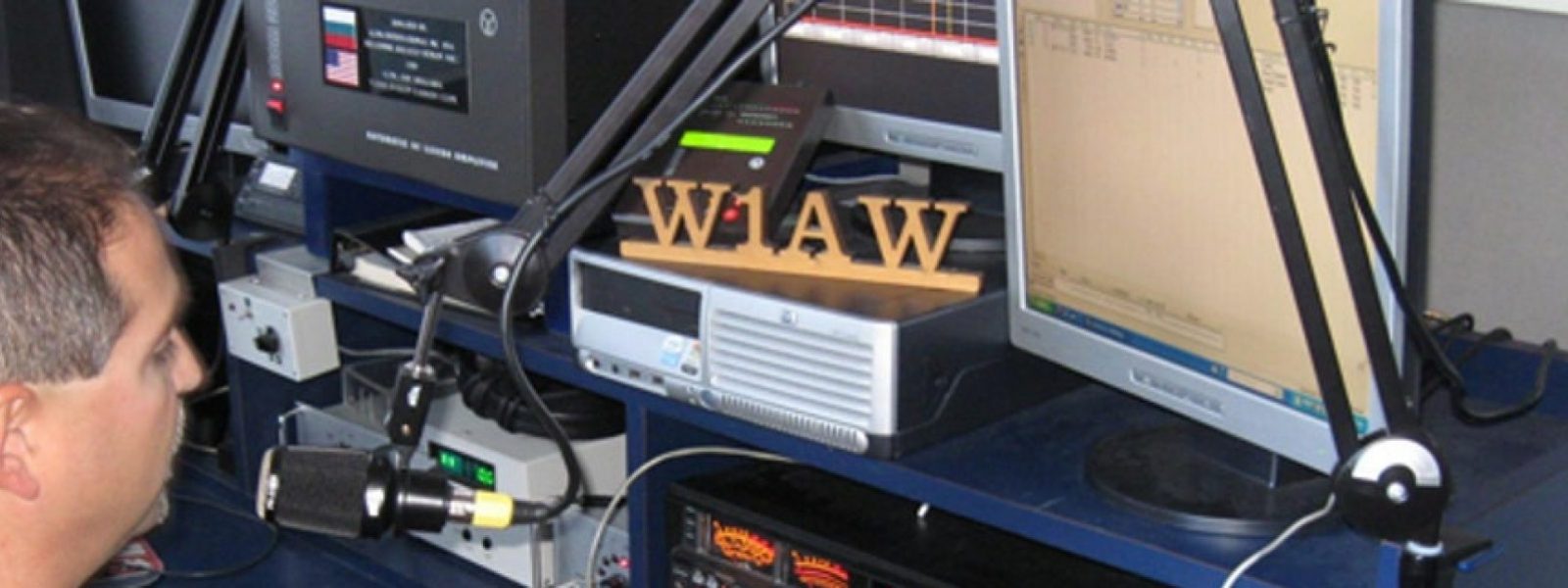
Once you’ve got the survival basics covered, things like food, water and shelter, in any kind of major disaster situation it’s time to start thinking about communications. Ham radio has been around a very long time, and even in the era of cellular communications it isn’t going anywhere and remains reliable.
When everything else fails, you’ll still be able to rely on radio with the right setup. But it can be pretty intimidating if you didn’t grow up doing it. Luckily, it’s easier to get started than you might think, especially when you have this handy guide to help you.
Grab your headset, power up, and we’ll get right to it…
Just What is Ham Radio?
Ham radio is just a colloquial term, though an official one at this point, for amateur radio. Basically, it consists of and refers to civilian amateur radio operators, the radio equipment itself, and the bands and frequencies set aside specifically for amateur use.
So whenever you hear ham radio brought up in the context of radio communications, you’ll have a broader understanding of what’s being discussed.
Read more – Survival Sullivan:




More Stories
via the ARRL: Radio Amateurs Prepare for Hurricane Isaias
via Amateur Radio Daily: Call sign grace period: A hard lesson learned
via the ARRL: Watching the Gulf