




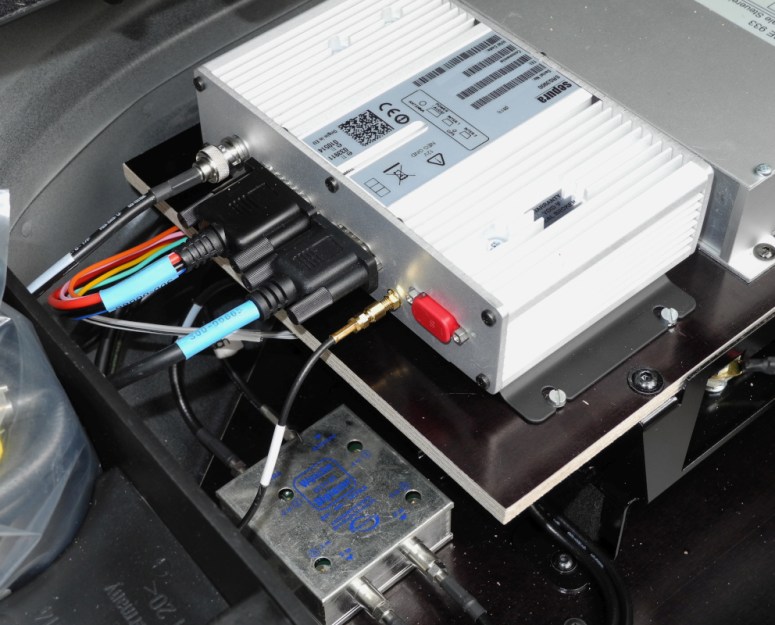
 Trunked radio systems can be difficult to wrap one’s mind around, and that’s partially by design. They’re typically used by organizations like police, firefighters, and EMS to share a limited radio frequency band with a much larger number of users than would otherwise be able to operate. From a security standpoint, it also limits the effectiveness of scanners who might not know the control methods the trunked systems are using. But now a global standard for encrypted trunked radio systems, known as TETRA, has recently been found to have major security vulnerabilities, which could result in a lot more headache than disrupted voice communications.
One of the vulnerabilities in this radio system was a known backdoor, which seems to have been protected largely via a “security through obscurity” method. Since the system has been around for about 25 years now, it was only a matter of time before this became public knowledge. The backdoor could allow non-authorized users to snoop on encrypted radio traffic. A second serious vulnerability, unrelated to this backdoor, would further allow listening to encrypted voice traffic. There are a few other minor vulnerabilities recently uncovered by the same security researchers who found these two major ones, and the current recommendation is for anyone using a TETRA system to take a look to see if they are impacted by any of these issues.



More Stories
via Hackaday: Raspberry Pi Locks Down RAM Upgrades
via Amateur Radio Daily: ISS SSTV Weekend Sprint
via the ARRL: Remembering Four Silent Keys